Americans for Safe Access Joins Forces with iHemp Michigan – Patient Rights in a Changing Regulatory Landscape
The lines between hemp and cannabis are blurring in Michigan—and not just botanically.
Governor Whitmer's Executive Order 2022-1 dropped like a bombshell on Valentine's Day, announcing that hemp processing would move from MDARD to the newly renamed Cannabis Regulatory Agency (CRA). No stakeholder meetings. No industry input. Just an edict and a two-day notice for public comment.
In the midst of this regulatory earthquake, iHemp Michigan welcomed a powerful new ally: Americans for Safe Access (ASA), the nation's largest patient advocacy organization with 160,000 members nationwide.
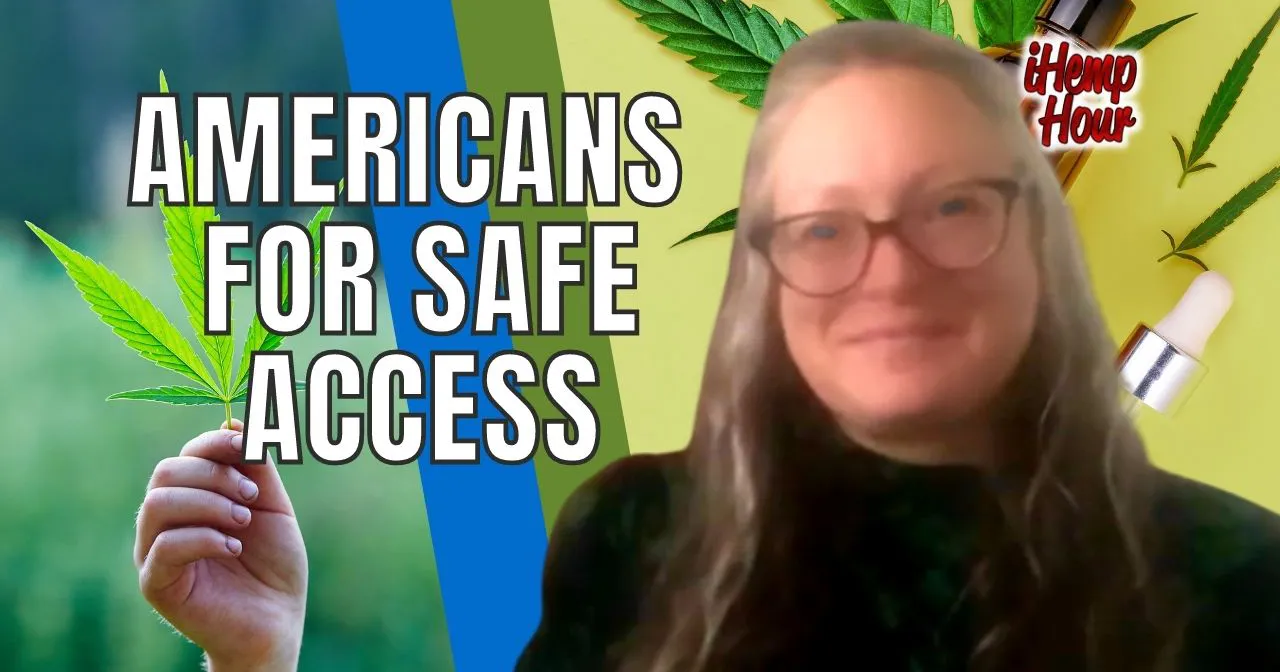
Brandy Zick, cannabis activist, medical patient advocate, and organizer of the ASA Michigan Chapter, joined the iHemp Hour to break down what's at stake—and why hemp and cannabis advocates need to stand together.
A Personal Journey to Advocacy
Brandy's story is the story of so many patients. Diagnosed with epilepsy as a child and later suffering traumatic brain injuries, she discovered cannabis as a young person and connected the dots: her seizures were less frequent, more manageable, sometimes gone entirely.
"I've been a patient since I was a very young girl," Brandy shared. "Cannabis has been dear to me personally."
After a decade of advocacy work in Ohio with little legislative progress, Brandy moved to Michigan in 2008 when voters passed the Michigan Medical Marijuana Act by 63%. She's been fighting for patient rights ever since.
The Attack on Home Grow and Caregivers
Michigan's medical marijuana law was built with a safety valve: the patient-caregiver model. If federal agencies raided dispensaries (as they routinely did in the early days), patients could still access medicine through their caregivers or grow their own.
Now that protection is under siege.
The Michigan Cannabis Manufacturing Association (MCMA)—representing large multi-state operators—is lobbying hard to gut the caregiver program, reducing patient counts and plant limits. The goal? Force patients into dispensaries where prices are high and access is limited.
"Medical cannabis patients have unique and specific needs," Brandy emphasized. "We shouldn't be lumped in with adult use."
And it's not just happening in Lansing. Local municipalities are piling on restrictions, making it harder for caregivers to operate and patients to access affordable medicine.
What Does "Safe Access" Actually Mean?
For patients growing their own medicine or working with a trusted caregiver, mandatory testing requirements can be an unnecessary expense. But for commercial products, Brandy is clear: testing is essential.
"Patients need to know they're consuming something that's not going to harm them further," she said. "They're looking for healing from a medicinal plant."
Safe cannabis means:
- Testing for contaminants – mold, heavy metals, pesticides
- Clear labeling – potency, terpene profiles, cannabinoid content
- Affordable access – medicine shouldn't break the bank
- Education – for patients, budtenders, and medical professionals alike
The American Herbal Products Association has established safety standards for cannabis just as they have for ginseng, echinacea, and other plant medicines. "It makes sense to treat plant medicine like plant medicine," Brandy noted.
Michigan's Report Card: A "C" for Patient Access
ASA's annual State of the States Report grades every state's medical cannabis program. Michigan? A solid C.
No state has earned an A—and that's the point. Twenty-six years after California became the first state to legalize medical cannabis, we still don't have a perfect program anywhere. Barriers persist:
- Cost – Medical marijuana isn't covered by insurance
- Geographic access – Upper Peninsula patients have few dispensary options
- Employment protections – You can still lose your job
- Child custody concerns – Patients fear losing their children
- Transportation – Not everyone can travel to a dispensary
"Not all patients have equal access," Brandy said. "That's part of what we consider when we think about social equity."
ASA at the 2022 Midwest iHemp Expo
iHemp Michigan is proud to partner with Americans for Safe Access at the 2022 Midwest iHemp Expo, May 20-21 at the Lansing Center.
ASA will provide:
- Continuing Medical Education (CME) credits for healthcare professionals
- Patient and caregiver training on dosing and cannabis therapeutics
- Legal education on the MMMA, hemp regulations, and the new CRA
- Expungement clinics – partnering with Great Lakes Expungement Network and others to help clear records and restore lives
"The magic happens when we're able to get together face-to-face," said iHemp Michigan's Blaine Bechtold. "That's one of the most important parts of expos."
Take Action Now
Federal policy needs to change. ASA has 13 different action alerts where you can send letters directly to federal agencies:
- Protect patients from losing housing
- Protect veterans at the VA
- Protect federal employees from drug testing
- And more
Visit SafeAccessNow.org to:
- Join ASA (memberships start at just $10)
- Sign up for action alerts
- Access the State of the States Report
- Find legal and medical resources
Follow the Michigan chapter on Facebook: MI Safe Access or Michigan Safe Access Chapter
United We Stand
As hemp processors face new regulations under the CRA and patients battle to protect the caregiver program, one thing is clear: we're stronger together.
"This plant is medicine for the people and the planet," Brandy said. "We need to unite as a movement, as an industry, so that it can be utilized and available in a good way."
The hemp side and the cannabis side are now under the same regulatory umbrella. It's time to find our synergy.