Building with Hemp-Lime:
A Hands-On Workshop That Brought It All Togetheroes Here
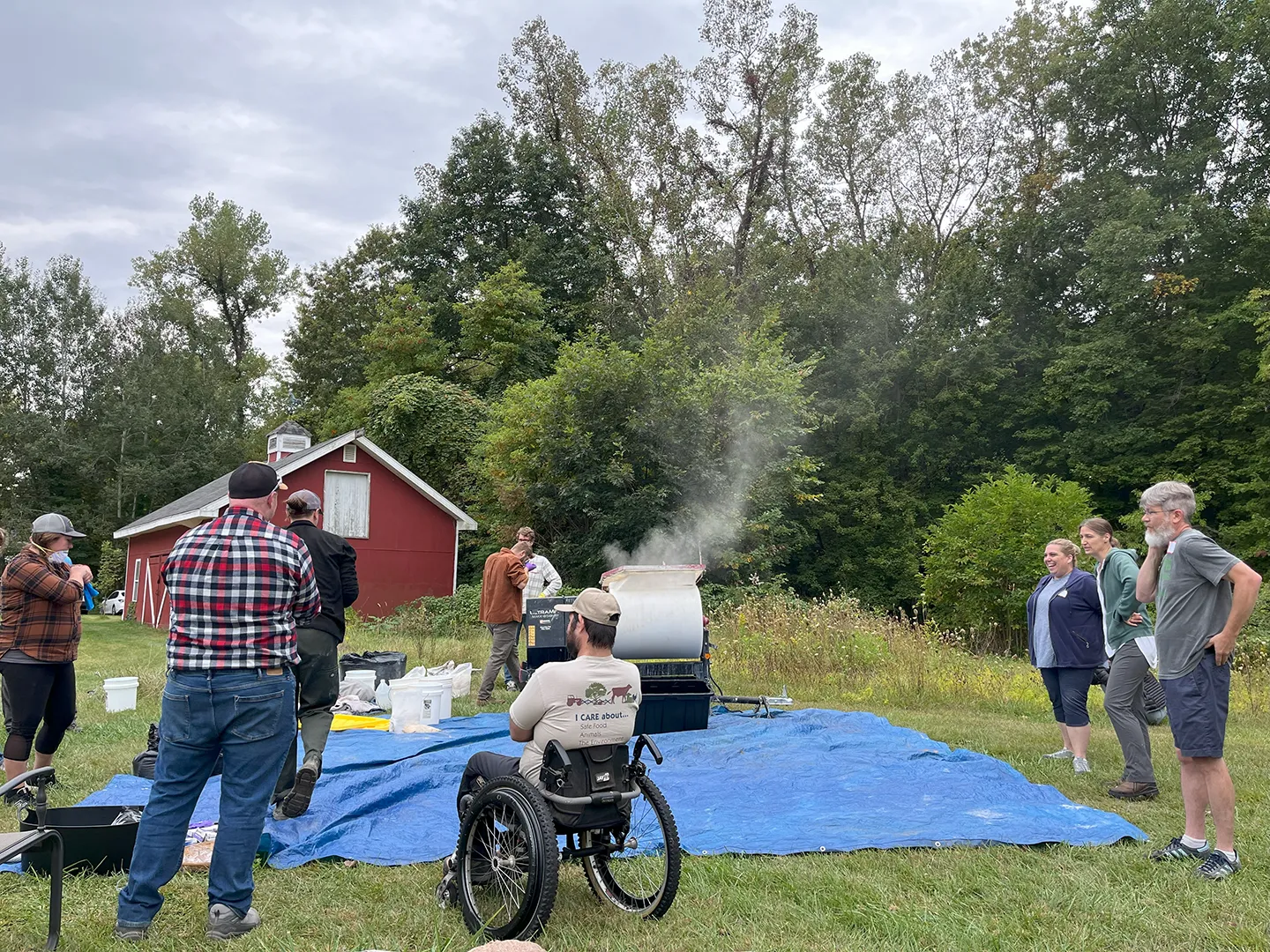
This past weekend, we had the pleasure of hosting a hands-on hemp-lime workshop that brought together a truly diverse group of people with one common goal: to better understand the potential of building with hempcrete. With a total of thirty participants, the event drew in a powerful mix of voices including professors, lobbyists, builders, architects, real estate agents, farmers, entrepreneurs, and even private homeowners who were simply curious about sustainable construction.
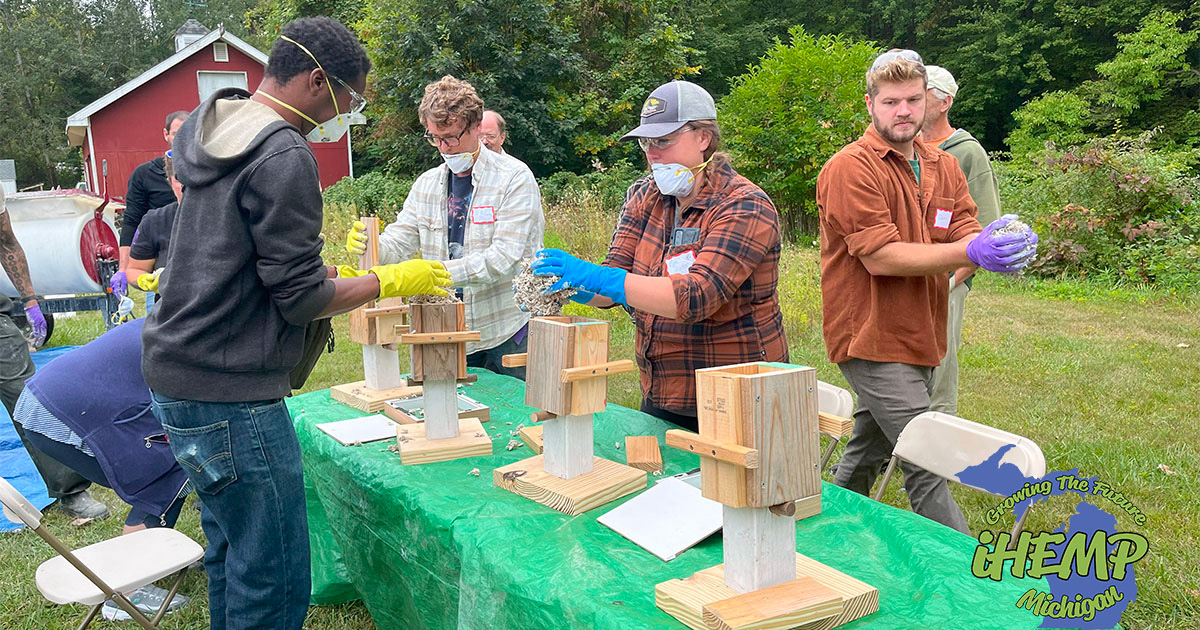
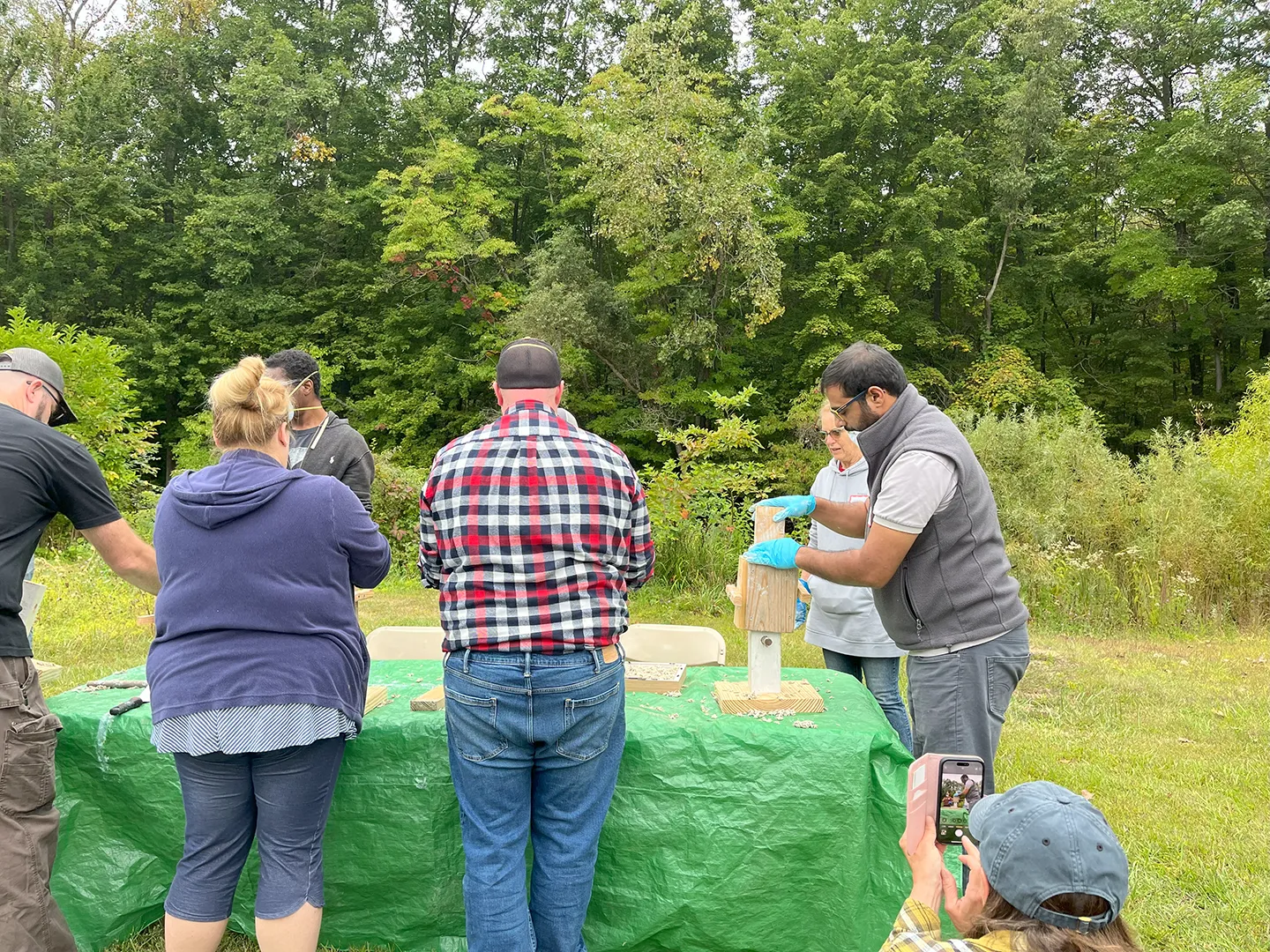
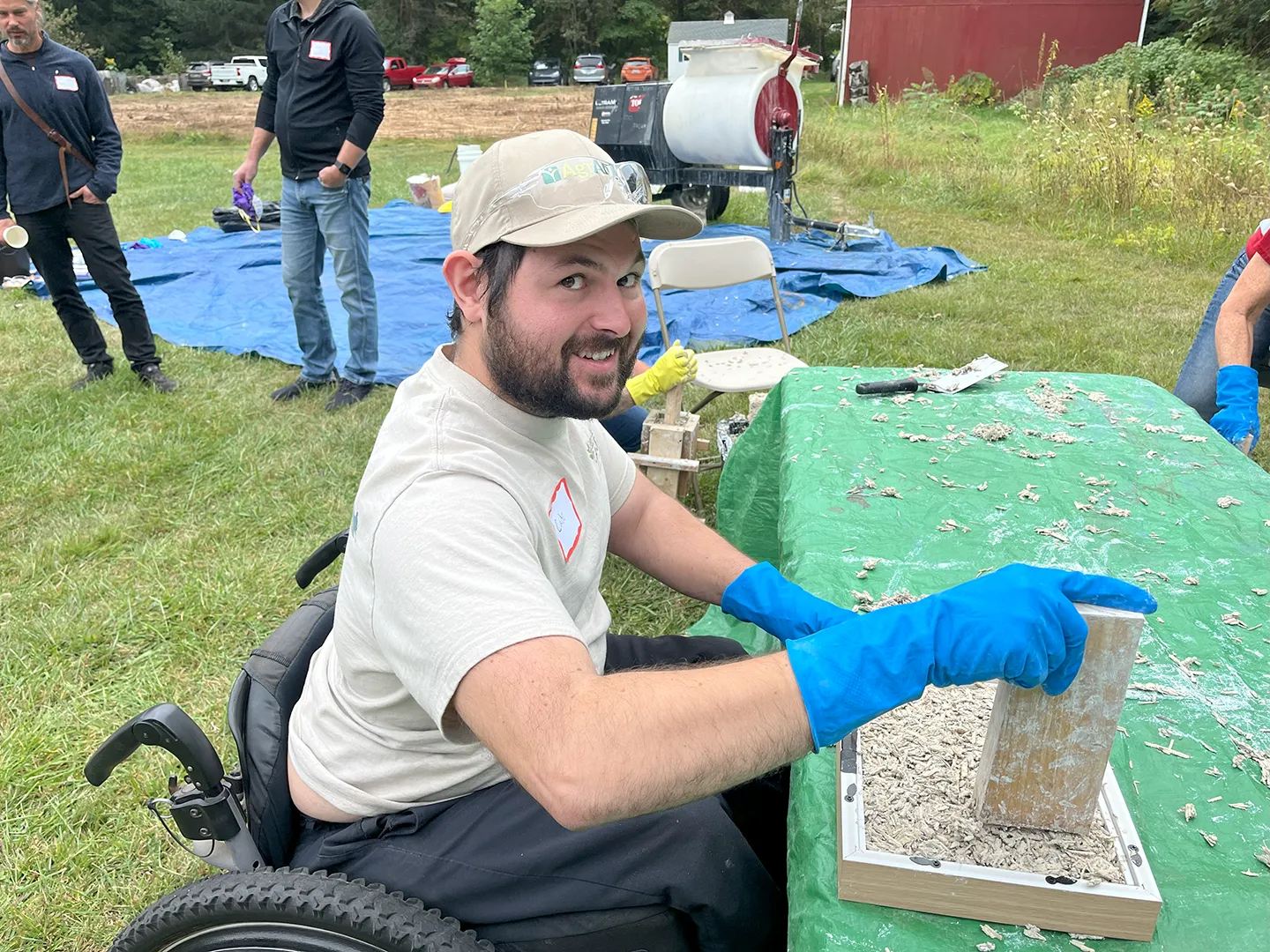
From the moment people started arriving at Pott Farms, the energy was electric. There’s something incredibly powerful about bringing people together who care deeply about sustainability, hemp agriculture, and regenerative building. We got our hands dirty, asked thoughtful questions, and—best of all—made hemp-lime blocks ourselves.
Why Hemp-Lime? Why Now?
Hemp-lime (or hempcrete) is a biocomposite material made from the inner woody core of the hemp plant (called hurd) mixed with a lime-based binder. It’s used primarily for in-wall insulation, offering breathability, fire resistance, mold resistance, and carbon sequestration. That’s right—building with hemp-lime actually locks carbon into the walls of your structure.
But for this kind of innovation to thrive, we need systemic support—especially in the policy and financial arenas. One of the most urgent changes needed is the federal descheduling of cannabis. While hemp is technically legal under the 2018 Farm Bill, its classification within the broader cannabis regulatory framework continues to restrict access to banking services, investment capital, and affordable insurance. For builders, entrepreneurs, and farmers working with hemp, this means more red tape, higher costs, and fewer opportunities.
Descheduling cannabis is essential not just for eliminating outdated stigma, but also for unlocking the full economic and environmental potential of hemp-based industries. It would remove costly compliance hurdles that offer little to no benefit for people or the planet, while opening doors for green investment, public-private partnerships, and community-scale development.
With interest growing around hemp building and carbon-smart construction, this workshop came at the perfect time. Special thanks to our sponsors, Pott Farms, H4H, Western Michigan University and Planet Detroit. Attendees left with a renewed sense of urgency and inspiration for incorporating hempcrete into their projects—and a clearer understanding of the policy shifts needed to support real progress.
Educating for Impact: Cody Let of Hemp 4 Humanity
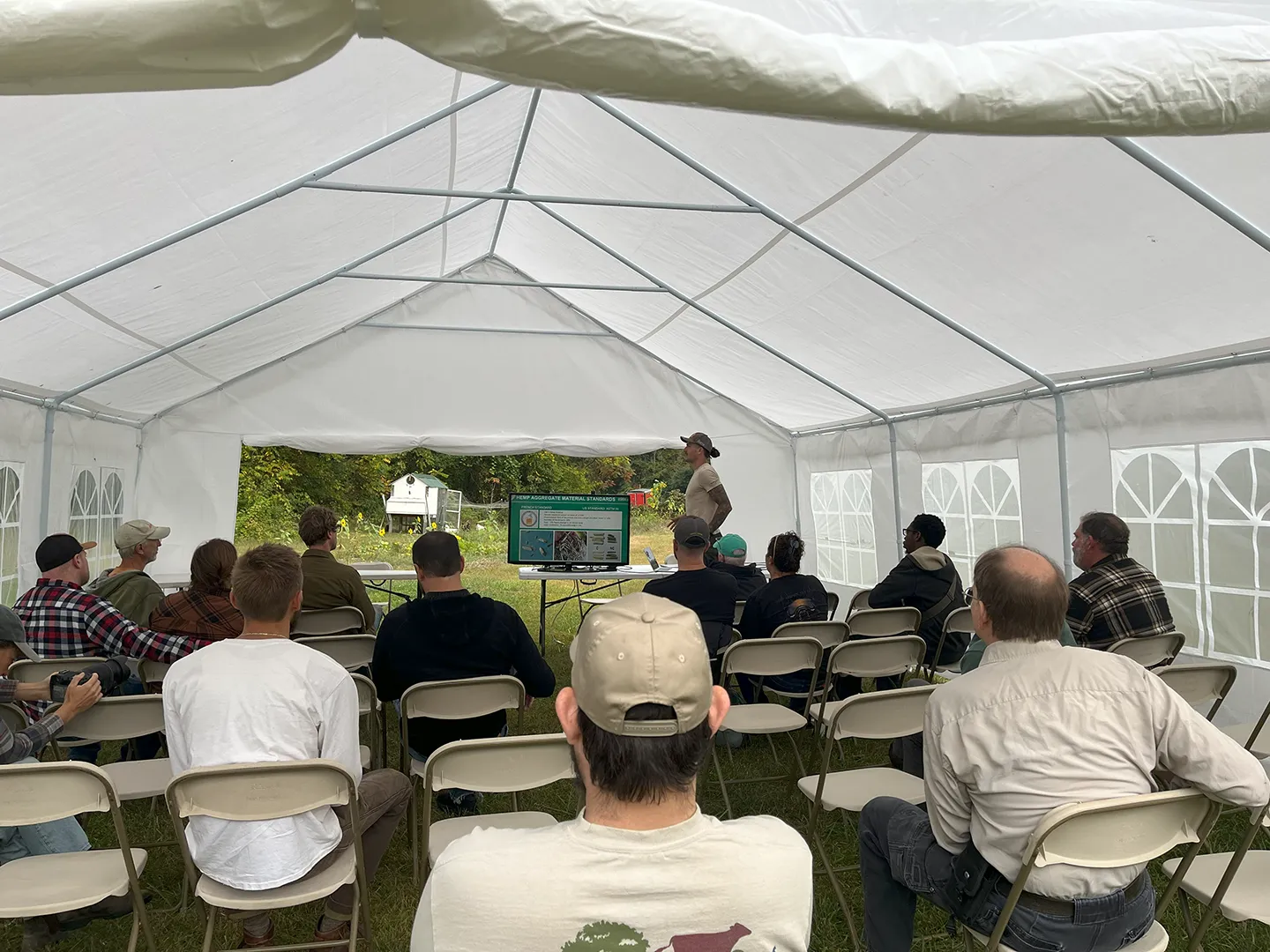
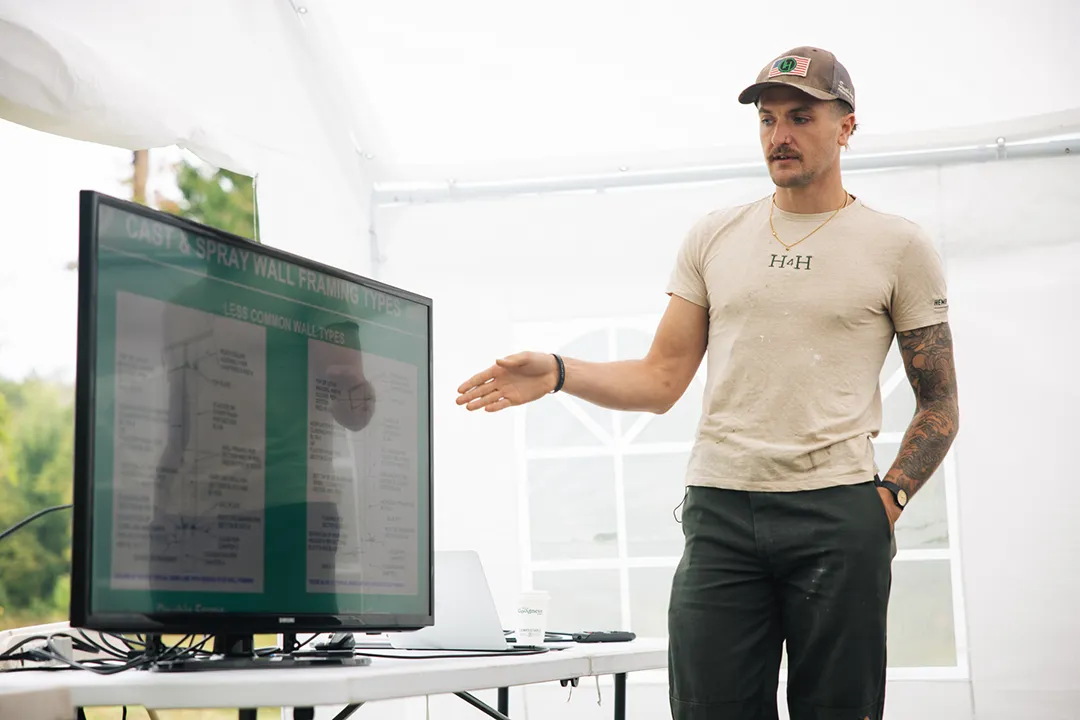 One of the highlights of the workshop was hearing from Cody Let of Hemp 4 Humanity, who offered both the “why” and the “how” behind hemp-lime construction. Cody explained how using hemp for building is not only healthier for our homes, but also dramatically more sustainable for our planet.
Cody brings firsthand experience, having completed a number of hemp home projects across different regions. His work is driven by a powerful mission: to create a scalable, affordable housing model using hemp-based materials. Through his non-profit, Hemp 4 Humanity, Cody is focused on building pathways that make hemp-lime construction accessible to underserved communities and environmentally conscious developers alike.
Participants learned about:
- Hempcrete’s insulating properties
- Its ability to regulate humidity and improve indoor air quality
- The step-by-step process of mixing and applying hemp-lime
- Structural considerations and common misconceptions
Cody also emphasized that hempcrete is not a replacement for structural framing, but an infill insulation solution that performs extremely well in both hot and cold climates.
A Living Classroom at Pott Farms
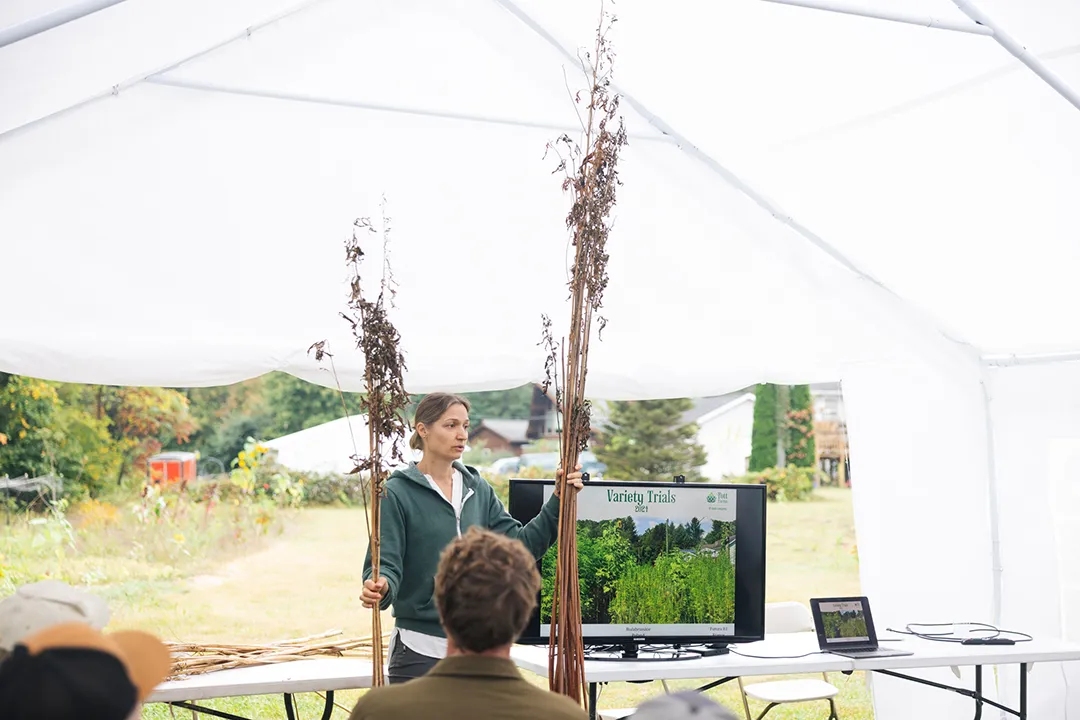
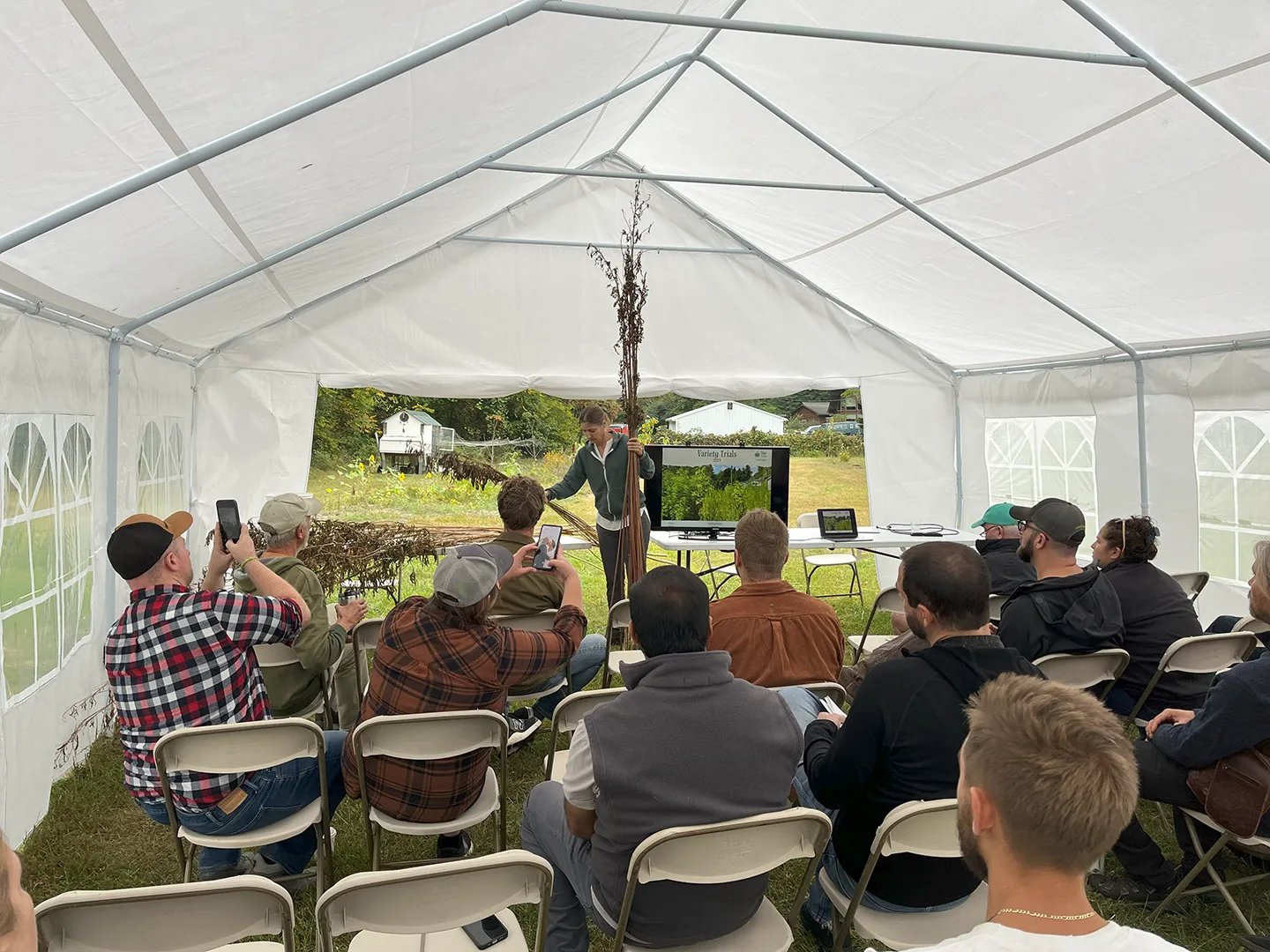
Robbin’s passion for regenerative agriculture and closed-loop farming added tremendous depth to the workshop. She discussed how hemp fits into broader regenerative practices by enriching the soil, improving water retention, and increasing biodiversity on the farm. Her work emphasizes a future where farming not only sustains but heals the land.
In particular, Robbin touched on the promising use of hemp in phytoremediation—the process of using plants to clean up contaminated soils, such as those found in brownfields. These are former industrial sites where pollutants have made redevelopment challenging. Hemp’s deep root system and rapid biomass production make it a strong candidate for extracting toxins and improving soil health over time. With the right support and scientific collaboration, hemp could become a cornerstone in environmentally responsible land restoration efforts across Michigan and beyond.
Academic Involvement & Future Research
It’s exciting to see higher education institutions starting to take hemp seriously as a building material and environmental solution. Partnerships like these will help drive the research, validation, and standards necessary for broader adoption of hemp-lime construction.
Policy and Education: Greg Pawlowski’s Vision
A working group is currently being formed to collaboratively design the program’s syllabus and implement the training framework. With the institutional support of SVSU, this effort is poised to become a model for how education and policy can align to accelerate hemp adoption and build capacity across Michigan.
Getting Hands-On: Making Hemp-Lime Blocks
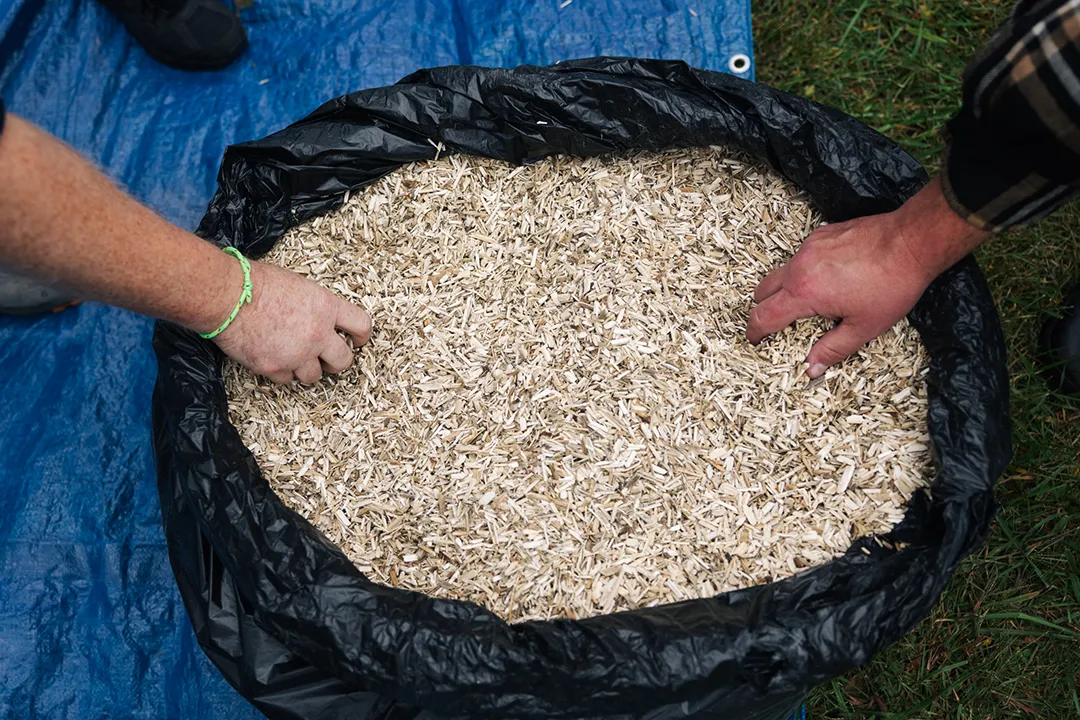
For many, it was their first experience working with hemp-lime—and we’re confident it won’t be their last.
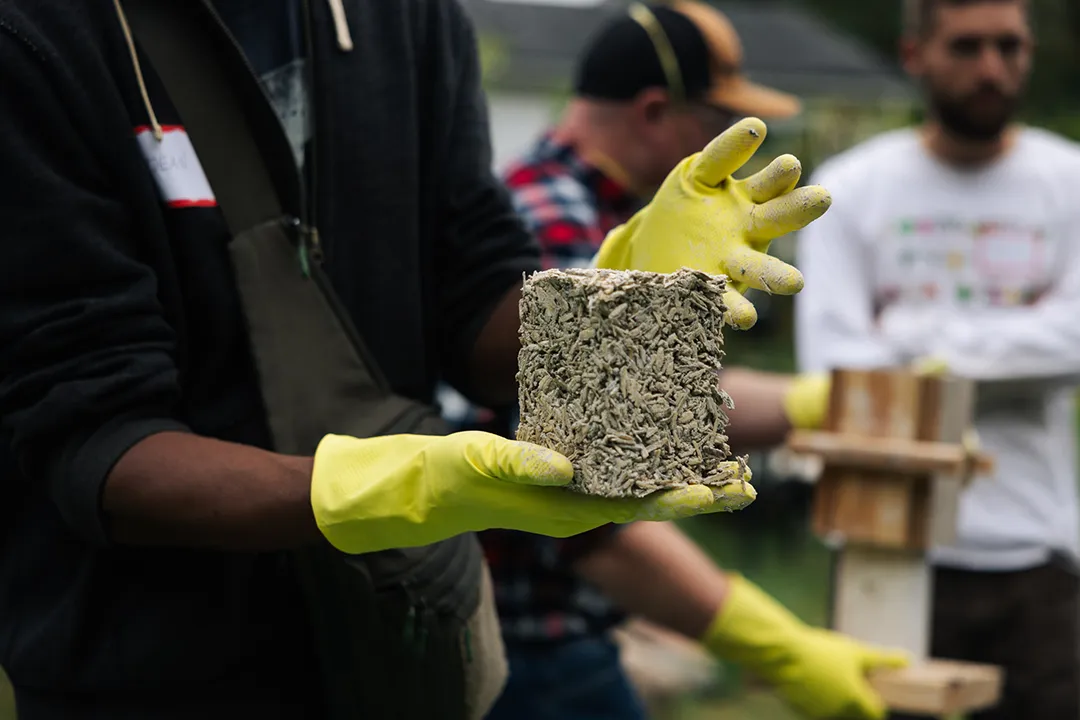
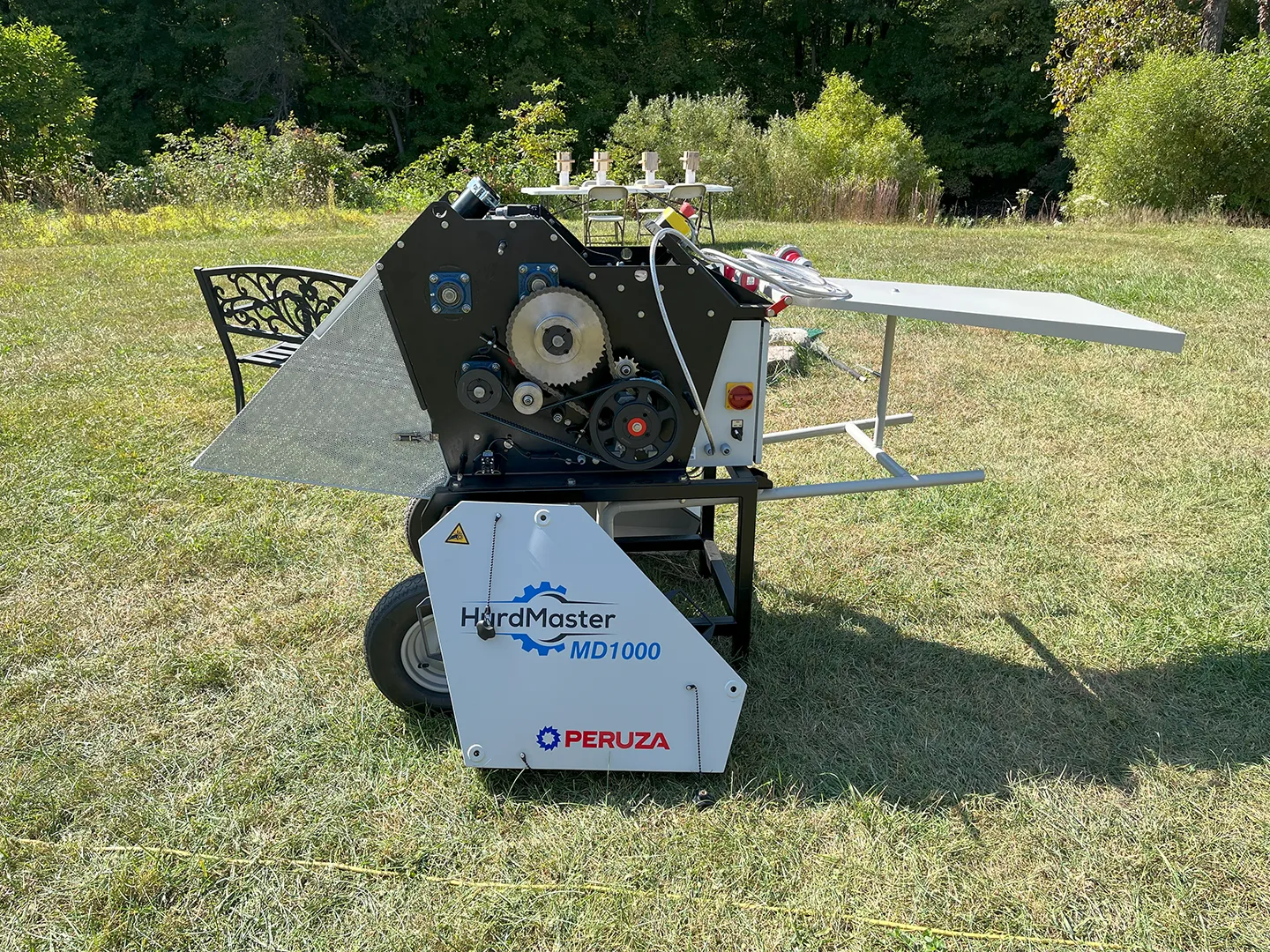
What’s Next? Decortication & Media Coverage
This kind of exposure is exactly what the movement needs. Public awareness and credible storytelling are key to helping normalize hemp-lime as a legitimate, effective building solution.
Let’s Build the Future—Together
The success of this workshop proved what many of us have known for years: hemp belongs in the building conversation. Whether you’re an architect looking for greener materials, a farmer seeking new opportunities, or a homeowner who simply wants a healthier home, hemp-lime offers solutions worth exploring.
We’re building more than structures—we’re building community, knowledge, and momentum.
Want to stay in the loop and get involved in future workshops, policy discussions, or hemp research?
👉 **Join us at **iHemp Michigan and be part of the movement to grow, process, and build with hemp right here in Michigan and beyond.