Hemp Growing
Hemp growing covers the horticultural and agronomic practices required to successfully cultivate industrial hemp in Michigan’s unique climate and soil types. Successful production involves careful variety selection, soil health management, and integrated pest control, alongside an understanding of photoperiodism and local regulatory windows. This category examines the regenerative techniques and data-driven approaches that allow growers to maximize yields while ensuring their crops remain within legal THC limits.
Subscribe

High Times Spotlights Flint Hemp Genetics Study
by Dave Crabill
/ May 18, 2026

Michigan hemp took a national step forward this week when High Times reported on a new whole-hemp nutrition study from Food First Initiative — and one of iHemp Michigan’s own […] ...
Hemp Field Days & Harvest Tips
by Dave Crabill
/ September 29, 2023
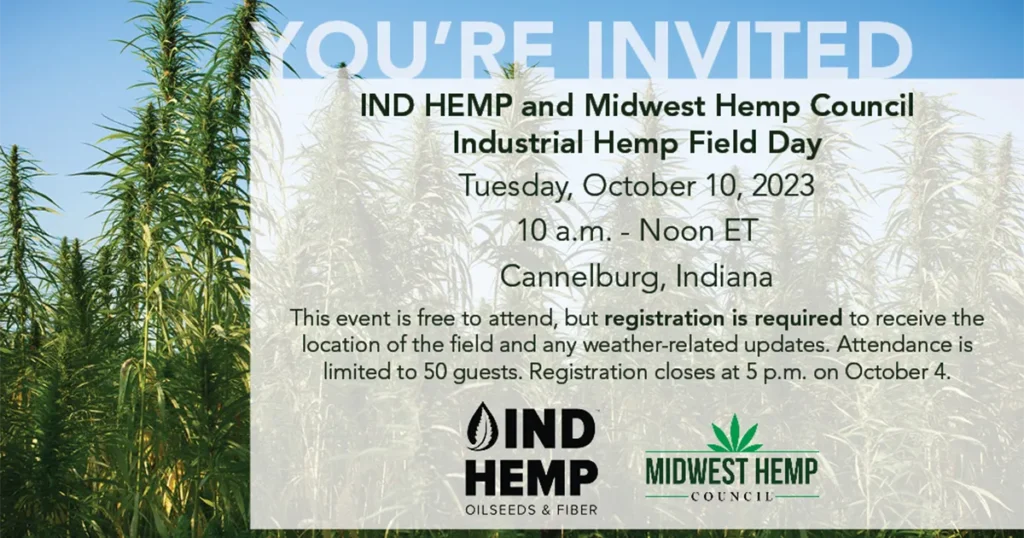
Hemp field day in Cannelburg, Indiana. This event will take place at a commercial hemp field and you will have the opportunity to hear from the farmer and see a beautiful hemp crop.
Phytoremediation of soil with Dr. Lesley Putman of Northern Michigan University
by Dave Crabill
/ July 24, 2023

Northern Michigan University researchers are pioneering the use of industrial hemp to clean up PFAS “forever chemicals” contaminating soil and water across Michigan. With the first outdoor plantings now underway, this groundbreaking phytoremediation research could offer a cost-effective solution for communities grappling with contamination from military bases, landfills, and industrial sites—while potentially turning toxic waste into useful building materials.
Free Hemp Disease & Pest Diagnosis
by Dave Crabill
/ July 10, 2023
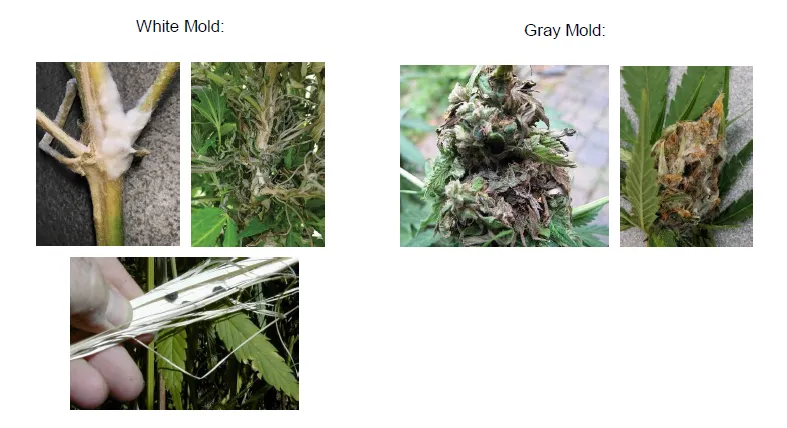
USDA-NIFA Supplemental and Alternative Crops (SAC) grant, industrial hemp fiber and grain producers in Illinois, Indiana, Michigan, and Wisconsin can submit hemp samples to the University of Illinois Plant Clinic in 2023-25 for pest and disease identification at no charge.
Hunter Buffington reveals a major breakthrough: hemp seed meal and oil are now approved for chickens and horses in Kentucky and Texas—but warns that Colorado’s recent 39-amendment legislative disaster could pull full-spectrum products off shelves nationwide. With the Farm Bill on the horizon, the hemp industry faces a critical choice: show up, speak up, and vote with your dollars—or watch others write the rules.
Sustainability and Environmental Impact of Hemp
by Dave Crabill
/ February 21, 2023
Susan Barnhart spent six years building America’s only wool-hemp textile company—and she’s doing it without any U.S.-processed hemp fiber. Shemp Yarn’s surprisingly soft socks and beanies prove the product works, but until someone invests $2-3 million in domestic processing equipment, American hemp growers will keep shipping fiber overseas while entrepreneurs like Barnhart source from France. This is the infrastructure gap holding back U.S. hemp textiles.
2022 Hemp Variety Trials Results with James DeDecker
by Dave Crabill
/ December 1, 2022
University researchers have secured $700,000 in federal funding for a three-year hemp grain and fiber study—and they’re actively seeking experienced Michigan growers to participate as research cooperators. With stipends available, seed provided, and the chance to help build the performance-based testing database that could eventually eliminate compliance testing for proven varieties, this is a rare opportunity to shape the future of Midwest hemp agriculture.
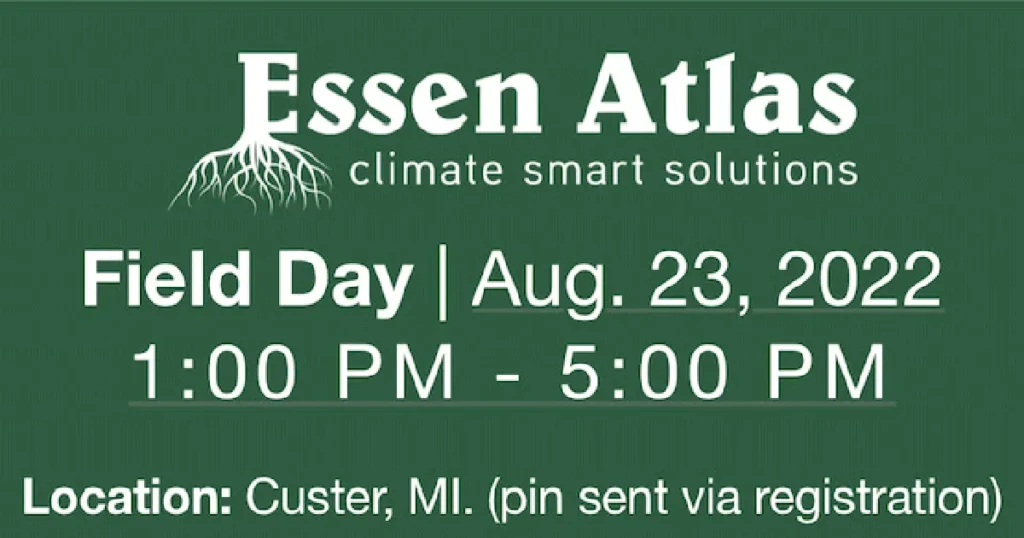
Essen Atlas is inviting you to an informal field day to discuss the hemp fiber and seed industry as well as provide the community with insight into what we hope to see in Michigan’s future fiber, food, and fuel industries.
Episode 108: Regenerative Hemp Farming
by Dave Crabill
/ June 9, 2022
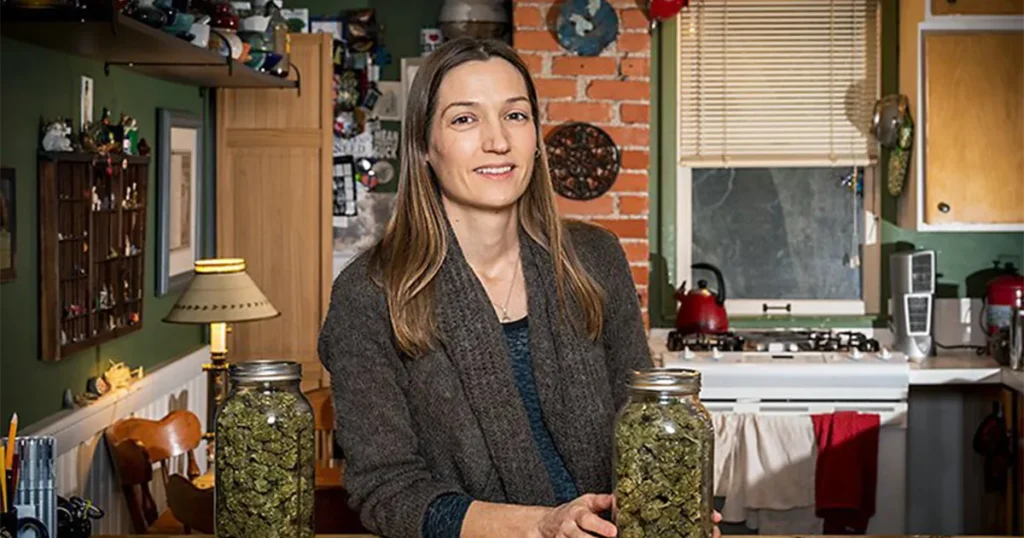
What if weeds simply refused to grow in your fields? Regenerative agriculture expert Robin Pott of Pot Farms L3C reveals how cultivating the soil food web—the microscopic universe of bacteria, fungi, and protozoa beneath your feet—can eliminate the need for fertilizers, pesticides, and herbicides while dramatically increasing hemp yields. Her largest 2021 plant topped 20 pounds with almost no intervention.
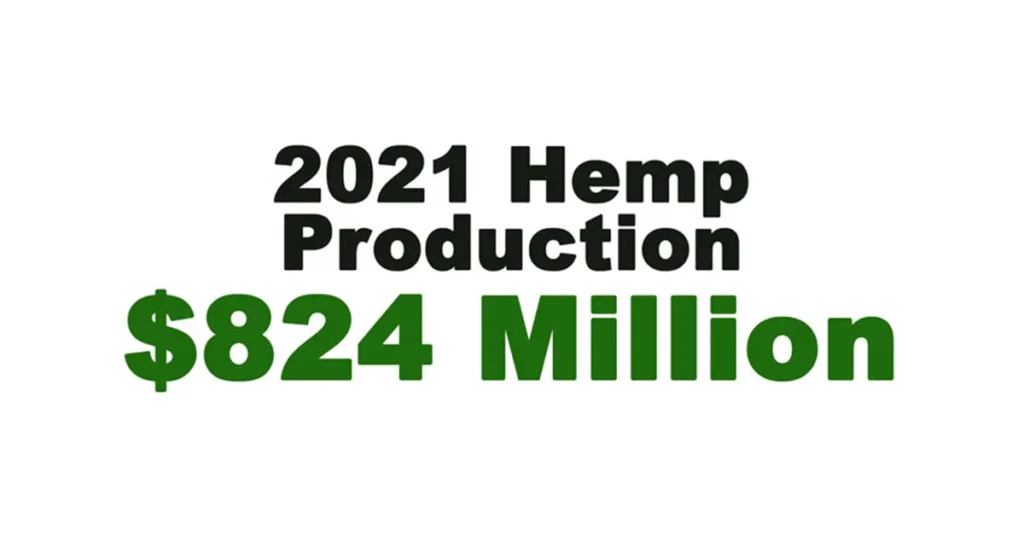
2021 U.S. Hemp Production Report: $824 Million Industry Still Finding Its FootingUSDA data reveals the current state of American hemp—and why the future belongs to fiber and grain.With mandatory reporting to the Farm Service Agency (FSA) now in place, we finally have reliable data on U.S. hemp production. The 2021 crop was valued at $824 million—a significant number, but still a far cry from where this industry needs to be.The Numbers: 2021 U.S. Hemp Production at a GlanceCategoryProductionPlanted Acres54,152Harvested Acres33,480Floral Hemp (CBD)19.7 million poundsHemp Fiber33.2 million poundsHemp Grain4.37 million poundsHemp Seed1.86 million poundsGrain Yield~530 lbs/acreA few things jump out immediately: only 62% of planted acres were actually harvested, suggesting continued challenges with crops going hot, market uncertainty, or cultivation difficulties. And while fiber tonnage looks impressive on paper, the infrastructure to process it remains a critical bottleneck.CBD Still Dominates—But That’s ChangingHemp grown for CBD and other cannabinoids continues to outpace fiber and grain production. This isn’t surprising given the higher per-acre returns that floral hemp can command and the relatively lower infrastructure requirements for extraction compared to fiber processing.But this balance is shifting. Here’s why:1. Fiber Infrastructure Is ComingInvestment in decorticating facilities—both large centralized plants and mobile units—is accelerating. As processing capacity comes online, farmers will have reliable markets for fiber crops.2. Grain Markets Are DevelopingHemp hearts, hemp seed oil, and protein powder markets continue to grow. More importantly, the Hemp Feed Coalition is making progress toward approval for hemp grain and seed meal in livestock feed—a market that could dwarf current CBD demand.3. Regulatory Clarity Will Unlock GrowthFair regulation allowing hemp grain for animal feed, clearer rules for CBD in food and supplements, and potential increases in THC limits will all reduce risk and encourage production expansion.In future years, fiber and grain production will dwarf CBD and other cannabinoids. The economics simply make sense at scale—and American agriculture excels at scale.The Yield Story: Where We Are vs. Where We Can BeThe current U.S. average grain yield of approximately 530 pounds per acre tells an important story—but it’s not the whole story.A Lesson from CanadaOn last night’s iHemp Hour, we interviewed Jeff Kostuik of Verve Seed Solutions. Jeff has been a longtime contributor to iHemp Michigan, having spoken at each of our Expos including our very first event at UM Flint in January 2019. At the time, Jeff was with Hemp Genetics International, which recently merged with Tritium (T3H) to form Verve Seed Solutions.Jeff shared a critical insight: In the early days of growing grain in Canada, they produced similar yields of around 500 lbs per acre.Today? Canadian farmers routinely achieve:800-900 lbs/acre on average1,000-1,500 lbs/acre for experienced growersUp to 2,000 lbs/acre in optimal conditionsThat’s a 2-4x improvement over where American farmers are today—achieved through:Better variety selection matched to latitudeImproved harvest techniques and equipment settingsUnderstanding of optimal planting density and timingExperience with the crop’s unique characteristicsWhat This Means for U.S. FarmersThe 530 lbs/acre figure isn’t a ceiling—it’s a starting point. Canada’s 24-year head start in commercial hemp production shows us the trajectory. American farmers who invest time learning the crop now will be positioned to capture dramatically better yields as:Genetics improve – Hybrid varieties from companies like Verve Seed Solutions promise to double grain production within 2-3 yearsKnowledge spreads – Best practices for planting, cultivation, and harvest become better understoodEquipment adapts – Combine settings and harvest timing get optimized for hemp’s unique characteristicsJeff estimates it takes about three years for a farmer to really learn how to grow hemp well. The farmers starting now—while commodity prices for traditional crops provide a financial cushion—will have a significant advantage when hemp markets mature.The Infrastructure ImperativeThe gap between planted acres (54,152) and harvested acres (33,480) highlights a fundamental challenge: production without markets is just expensive gardening.For hemp to reach its potential, we need:Processing CapacityDecorticators for fiber separation (both centralized and mobile)Oil extraction facilities for grain processingFood-grade processing for hemp hearts and proteinMarket AccessFDA clarity on CBD in food and supplementsHemp feed approval for livestock (poultry expected first)Building code acceptance for hempcrete and insulationFair RegulationReasonable THC limits (the push for 1% continues)Reduced testing burdens for grain and fiber cropsStreamlined licensing to reduce farmer costsLooking Ahead: The $824 Million QuestionIs $824 million a success or a disappointment? Both.It’s a success because it represents a real, measurable industry that didn’t exist five years ago. Farmers are growing hemp. Processors are buying it. Products are reaching consumers. That’s remarkable progress.It’s a disappointment because we know what this plant can do. Hemp can replace petroleum-based plastics. It can sequester carbon while producing building materials. It can provide complete protein for human and animal nutrition. It can remediate contaminated soils. At scale, American hemp should be a multi-billion dollar industry. We’re not there yet.But the trajectory is clear. The infrastructure is being built. The regulations are slowly improving. And farmers are getting smarter every season.The Bottom LineThe 2021 USDA hemp report shows an industry in transition. CBD still leads, but fiber and grain are positioned for explosive growth as infrastructure and regulations catch up.For farmers considering hemp: the learning curve is real, but the opportunity is too. Canadian growers went from 500 lbs/acre to 2,000 lbs/acre. American farmers can do the same—and the ones who start learning now will lead that charge.As Jeff Kostuik reminded us: this is the year to throw some hemp into your rotation while strong commodity prices cushion the learning curve.We will all be smarter next season.Watch the full interview: Jeff Kostuik joins iHemp Hour to discuss Verve Seed Solutions, hemp genetics, and lessons from Canada’s 24-year hemp industry. [Link to episode]Join us in May: Jeff will be speaking at the 2022 Midwest iHemp Expo, May 20-21 at the Lansing Center. Visit MidwestiHempExpo.com for details.About iHemp Michigan: We advocate for wellness, complete people, and the planet through hemp—and it all begins with the farmer. Join us at iHempMichigan.comShort ExcerptThe 2021 U.S. hemp crop was valued at $824 million across 54,000 planted acres—but we’re just getting started. USDA data shows CBD still dominates, but fiber and grain are poised for explosive growth as infrastructure develops. The current grain yield of 530 lbs/acre mirrors where Canada started 24 years ago—and they now hit 1,000-2,000 lbs/acre. As Jeff Kostuik of Verve Seed Solutions told us on iHemp Hour: it takes about three years to learn this crop. The farmers starting now will lead the industry tomorrow.