News
The News category provides comprehensive reporting on the most significant internal updates and industry-wide announcements impacting the industrial hemp sector. This resource covers a wide range of essential topics, including state-level regulatory changes, research breakthroughs from Michigan universities, and strategic shifts within the marketplace. By offering consistent and accurate information, this category ensures that industry stakeholders remain prepared to respond to the complexities of a rapidly growing bio-economy.
Subscribe

Rules are released as the industrial hemp industry processing moves to the Cannabis Regulatory Agency.

Governor Whitmer signed Executive Reorganization Order 2022-1, assigning the regulation of processing, distributing, and selling hemp to the soon-to-be-renamed Marijuana Regulatory Agency (MRA). On April 13, 2022, the ERO will go into effect and the MRA will become the Cannabis Regulatory Agency (CRA). On this date, authority over hemp processors and handlers under the Industrial Hemp Research and Development Act (IHRDA) will shift to the new CRA.
CBD Product Safety and Standardization Act of 2021
by Dave Crabill
/ February 18, 2022
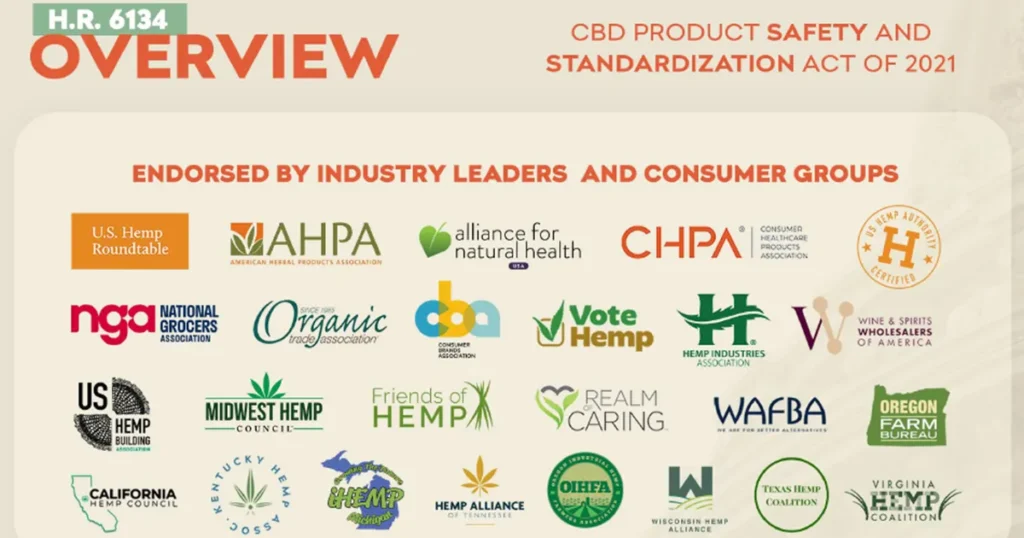
When Congress passed the 2018 Farm Bill, it explicitly legalized the sale of hemp and its derivatives such as CBD. Farmers across the nation relied on this government action, and […] ...
2021 U.S. Hemp Production Report: $824 Million Industry Still Finding Its FootingUSDA data reveals the current state of American hemp—and why the future belongs to fiber and grain.With mandatory reporting to the Farm Service Agency (FSA) now in place, we finally have reliable data on U.S. hemp production. The 2021 crop was valued at $824 million—a significant number, but still a far cry from where this industry needs to be.The Numbers: 2021 U.S. Hemp Production at a GlanceCategoryProductionPlanted Acres54,152Harvested Acres33,480Floral Hemp (CBD)19.7 million poundsHemp Fiber33.2 million poundsHemp Grain4.37 million poundsHemp Seed1.86 million poundsGrain Yield~530 lbs/acreA few things jump out immediately: only 62% of planted acres were actually harvested, suggesting continued challenges with crops going hot, market uncertainty, or cultivation difficulties. And while fiber tonnage looks impressive on paper, the infrastructure to process it remains a critical bottleneck.CBD Still Dominates—But That’s ChangingHemp grown for CBD and other cannabinoids continues to outpace fiber and grain production. This isn’t surprising given the higher per-acre returns that floral hemp can command and the relatively lower infrastructure requirements for extraction compared to fiber processing.But this balance is shifting. Here’s why:1. Fiber Infrastructure Is ComingInvestment in decorticating facilities—both large centralized plants and mobile units—is accelerating. As processing capacity comes online, farmers will have reliable markets for fiber crops.2. Grain Markets Are DevelopingHemp hearts, hemp seed oil, and protein powder markets continue to grow. More importantly, the Hemp Feed Coalition is making progress toward approval for hemp grain and seed meal in livestock feed—a market that could dwarf current CBD demand.3. Regulatory Clarity Will Unlock GrowthFair regulation allowing hemp grain for animal feed, clearer rules for CBD in food and supplements, and potential increases in THC limits will all reduce risk and encourage production expansion.In future years, fiber and grain production will dwarf CBD and other cannabinoids. The economics simply make sense at scale—and American agriculture excels at scale.The Yield Story: Where We Are vs. Where We Can BeThe current U.S. average grain yield of approximately 530 pounds per acre tells an important story—but it’s not the whole story.A Lesson from CanadaOn last night’s iHemp Hour, we interviewed Jeff Kostuik of Verve Seed Solutions. Jeff has been a longtime contributor to iHemp Michigan, having spoken at each of our Expos including our very first event at UM Flint in January 2019. At the time, Jeff was with Hemp Genetics International, which recently merged with Tritium (T3H) to form Verve Seed Solutions.Jeff shared a critical insight: In the early days of growing grain in Canada, they produced similar yields of around 500 lbs per acre.Today? Canadian farmers routinely achieve:800-900 lbs/acre on average1,000-1,500 lbs/acre for experienced growersUp to 2,000 lbs/acre in optimal conditionsThat’s a 2-4x improvement over where American farmers are today—achieved through:Better variety selection matched to latitudeImproved harvest techniques and equipment settingsUnderstanding of optimal planting density and timingExperience with the crop’s unique characteristicsWhat This Means for U.S. FarmersThe 530 lbs/acre figure isn’t a ceiling—it’s a starting point. Canada’s 24-year head start in commercial hemp production shows us the trajectory. American farmers who invest time learning the crop now will be positioned to capture dramatically better yields as:Genetics improve – Hybrid varieties from companies like Verve Seed Solutions promise to double grain production within 2-3 yearsKnowledge spreads – Best practices for planting, cultivation, and harvest become better understoodEquipment adapts – Combine settings and harvest timing get optimized for hemp’s unique characteristicsJeff estimates it takes about three years for a farmer to really learn how to grow hemp well. The farmers starting now—while commodity prices for traditional crops provide a financial cushion—will have a significant advantage when hemp markets mature.The Infrastructure ImperativeThe gap between planted acres (54,152) and harvested acres (33,480) highlights a fundamental challenge: production without markets is just expensive gardening.For hemp to reach its potential, we need:Processing CapacityDecorticators for fiber separation (both centralized and mobile)Oil extraction facilities for grain processingFood-grade processing for hemp hearts and proteinMarket AccessFDA clarity on CBD in food and supplementsHemp feed approval for livestock (poultry expected first)Building code acceptance for hempcrete and insulationFair RegulationReasonable THC limits (the push for 1% continues)Reduced testing burdens for grain and fiber cropsStreamlined licensing to reduce farmer costsLooking Ahead: The $824 Million QuestionIs $824 million a success or a disappointment? Both.It’s a success because it represents a real, measurable industry that didn’t exist five years ago. Farmers are growing hemp. Processors are buying it. Products are reaching consumers. That’s remarkable progress.It’s a disappointment because we know what this plant can do. Hemp can replace petroleum-based plastics. It can sequester carbon while producing building materials. It can provide complete protein for human and animal nutrition. It can remediate contaminated soils. At scale, American hemp should be a multi-billion dollar industry. We’re not there yet.But the trajectory is clear. The infrastructure is being built. The regulations are slowly improving. And farmers are getting smarter every season.The Bottom LineThe 2021 USDA hemp report shows an industry in transition. CBD still leads, but fiber and grain are positioned for explosive growth as infrastructure and regulations catch up.For farmers considering hemp: the learning curve is real, but the opportunity is too. Canadian growers went from 500 lbs/acre to 2,000 lbs/acre. American farmers can do the same—and the ones who start learning now will lead that charge.As Jeff Kostuik reminded us: this is the year to throw some hemp into your rotation while strong commodity prices cushion the learning curve.We will all be smarter next season.Watch the full interview: Jeff Kostuik joins iHemp Hour to discuss Verve Seed Solutions, hemp genetics, and lessons from Canada’s 24-year hemp industry. [Link to episode]Join us in May: Jeff will be speaking at the 2022 Midwest iHemp Expo, May 20-21 at the Lansing Center. Visit MidwestiHempExpo.com for details.About iHemp Michigan: We advocate for wellness, complete people, and the planet through hemp—and it all begins with the farmer. Join us at iHempMichigan.comShort ExcerptThe 2021 U.S. hemp crop was valued at $824 million across 54,000 planted acres—but we’re just getting started. USDA data shows CBD still dominates, but fiber and grain are poised for explosive growth as infrastructure develops. The current grain yield of 530 lbs/acre mirrors where Canada started 24 years ago—and they now hit 1,000-2,000 lbs/acre. As Jeff Kostuik of Verve Seed Solutions told us on iHemp Hour: it takes about three years to learn this crop. The farmers starting now will lead the industry tomorrow.
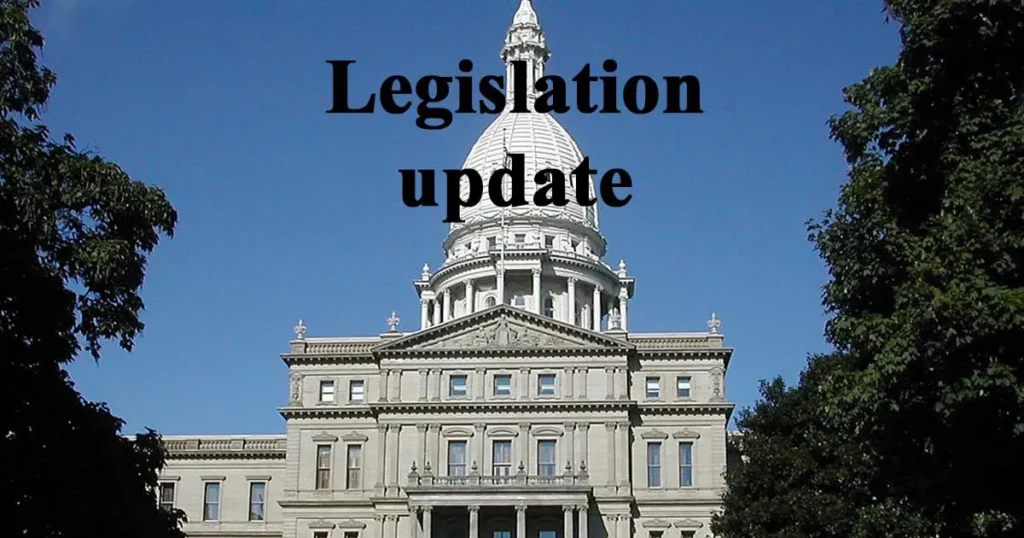
Michigan takes a proactive step for hemp. House Bill 5058 amends the state’s Food Law to clarify that food and dietary supplements are not considered “adulterated” simply because they contain industrial hemp-derived cannabinoids—provided they meet testing, certificate of analysis, and labeling requirements under Section 7136. This legislation fills a gap left by FDA inaction and provides a clearer legal pathway for hemp-infused foods, beverages, and supplements in Michigan.
JOI Guitars creates first-ever acoustic guitar from Hemp Wood
by Dave Crabill
/ May 24, 2021
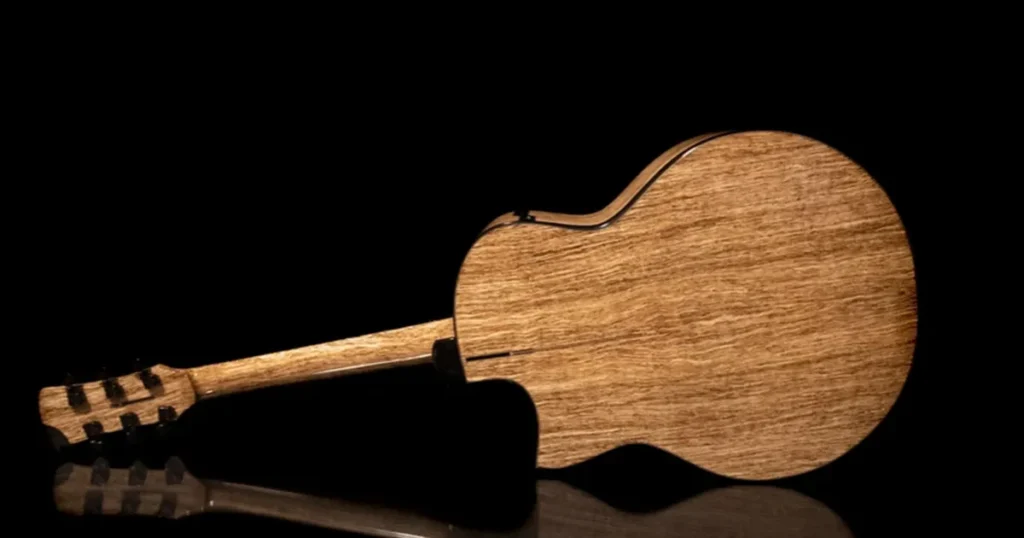
We learn about the creation of a guitar from HEMPWOOD. This guitar blends the age old tradition of farming with acoustic guitar craftsmanship, crafted into the world’s first traditionally built acoustic hempwood guitar.
How To Grow Your Hemp Business Through A Full-Service Banking Relationship
by Dave Crabill
/ May 20, 2021
Tom Lineen is the Co-Founder and CEO at West Town Payments. With over 20 years of payment solution expertise, he effectively navigates and advocates for compliance-driven and traditional business verticals, through old-fashioned values centered around integrity and transparency coupled with innovative, modern technology.
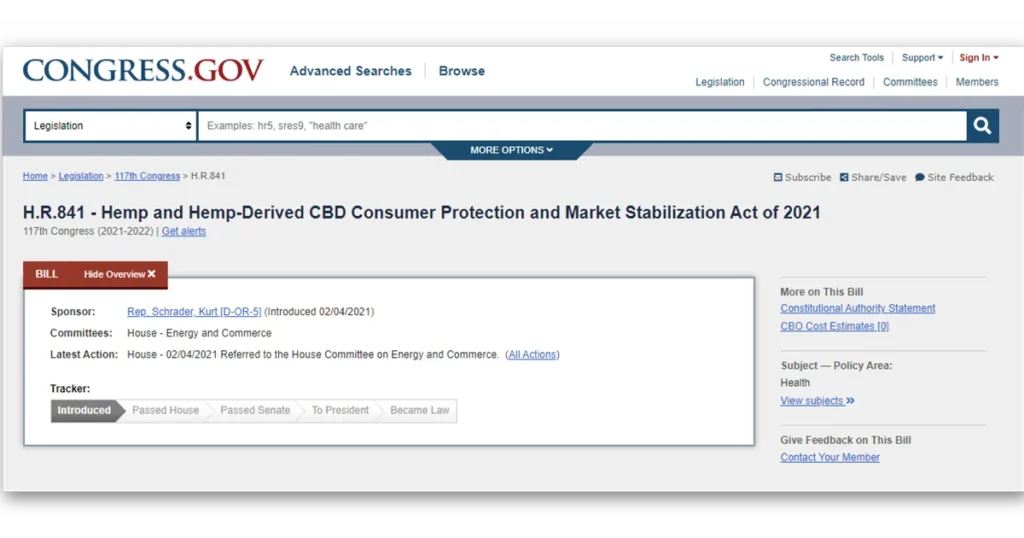
Congressional House Resolution 841. This bipartisan measure helps ensure the FDA recognizes CBD products as dietary supplements.
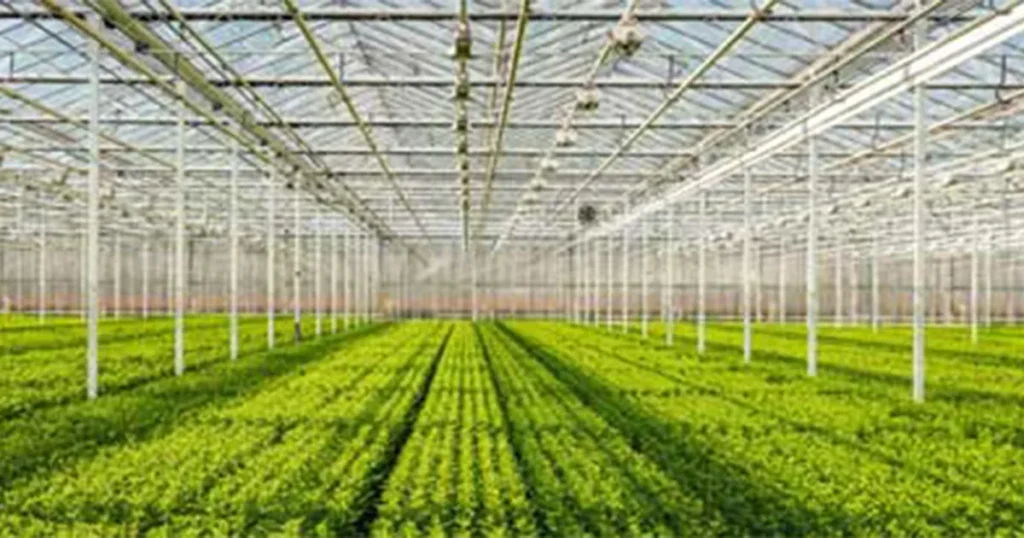
Evergreen Consulting Group, on behalf of DTE, launched an energy efficiency offering specific to indoor grow houses across the DTE service territory in Michigan.
Harvest is behind us for 2020 if you grow outdoors. At least I hope so! What is an “unprecedented” year is unfolding with a bunch of news that is too important to miss.